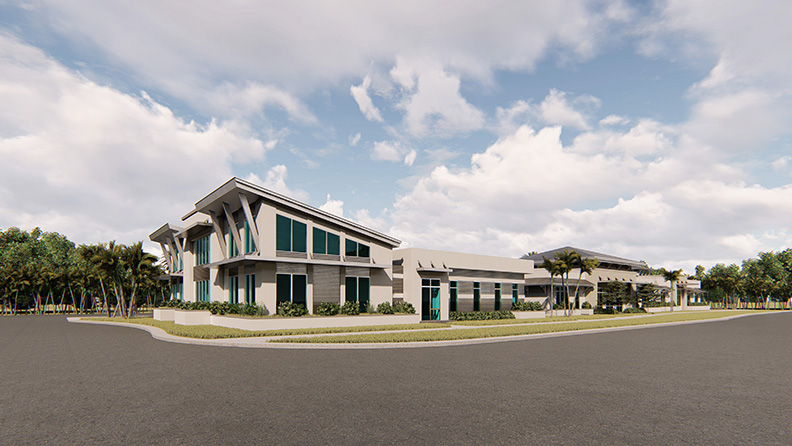
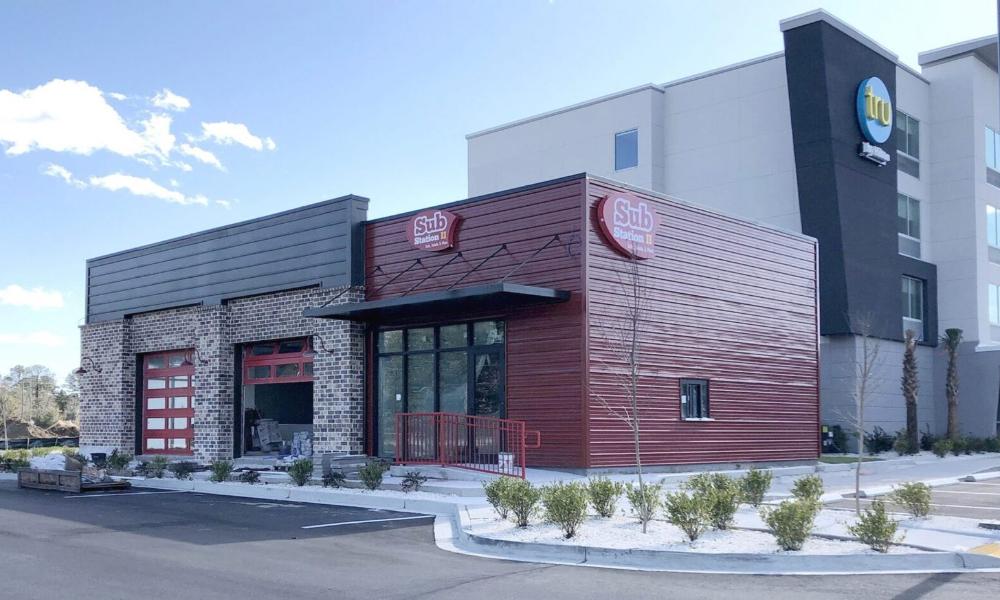
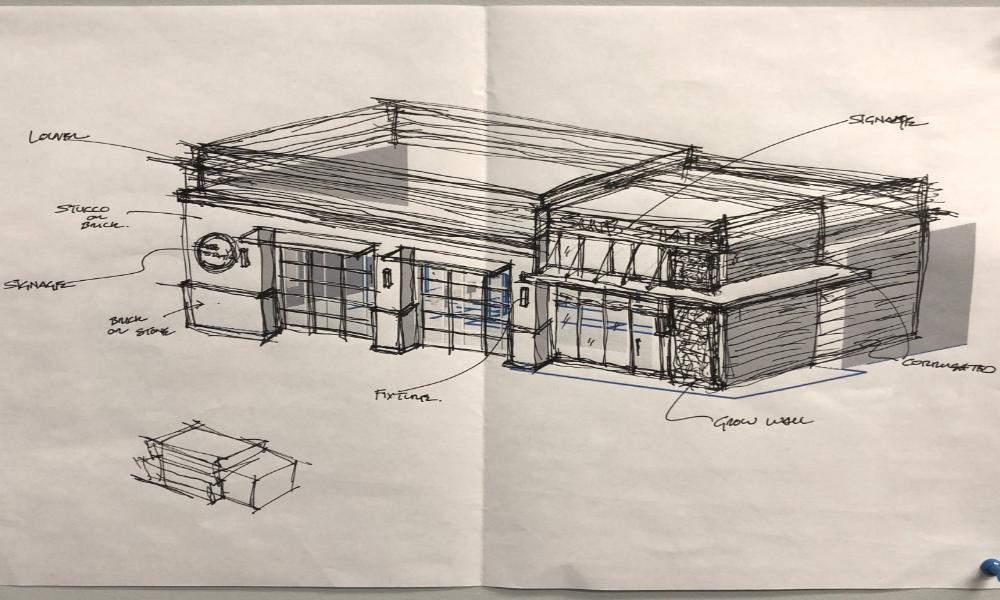
Sub Station II is a single-story, fast-casual restaurant sited on Highway 21 in Beaufort. The building is a modern vernacular response to site and program, featuring generous glazing, asymmetric wall profiles, and ample dining space. Structural scope included foundation design with liquefaction mitigation, lateral systems sized for coastal wind and seismic considerations, and close collaboration with the architect to preserve an efficient, cost-effective material palette. The project piloted one of 29E6’s earliest design charettes, a collaborative workshop that directly informed the structural strategy and saved substantial cost and schedule by avoiding a more expensive steel frame solution.
Excerpt: Charette saves steel, cuts cost
The architectural intent to maximize glazing and create varied wall profiles increased wind pressures and complicated lateral design. The site’s geotechnical conditions introduced the potential for soil liquefaction, requiring foundation stiffening to reduce risk of settlement during seismic events. Without early coordination, the architect’s aesthetic and plan geometry risked producing shear wall aspect ratios that failed seismic height-to-width requirements, which would have forced a costly change to steel framing and delayed the project through value-engineering cycles. Balancing the desire for wide glazing, a light and modern exterior, and strict performance requirements for wind (designed for 139 mph) and seismic resilience was the central challenge.
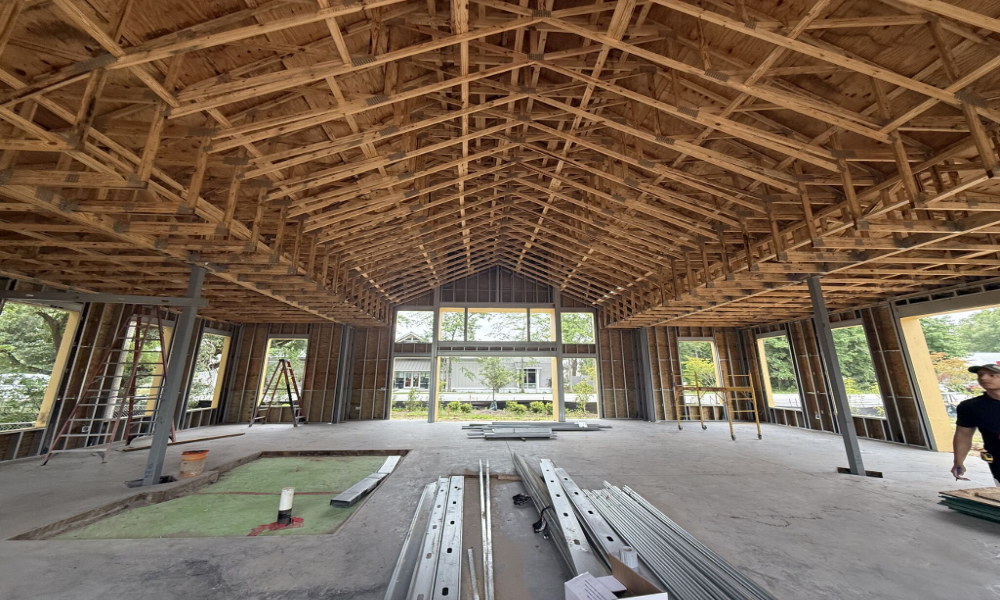
The team used a focused, collaborative design charette between 29E6 and SM7 to align architecture and structure before full documents were produced. The charette evaluated wall heights and bay widths, ensuring shearwall aspect ratios met the 2:1 height-to-width requirement so wood shearwalls could provide the needed lateral resistance. Liquefaction concerns were addressed through a stiffened slab approach informed by the geotechnical report, providing a practical mitigation that limited excavation and kept costs low. The structural system combined wood studs and trusses for gravity framing, continuous wood shearwalls with tie-downs for lateral resistance, and detail coordination to accommodate the expanded glazing and roof profile changes. Louvre-like rooftop screening was incorporated to conceal mechanicals without introducing additional structural penalties. By confirming these strategies in the charette, the team avoided switching to steel frames and preserved both the architectural intent and the project budget.
Early charette collaboration refined the building geometry so that wood shearwalls could be used efficiently, eliminating the need for steel framing while still satisfying wind and seismic criteria. The stiffened slab solution provided an economical and constructible means to mitigate liquefaction risk without extensive ground improvement. Coordination between architect and engineer permitted larger glazing areas and asymmetric wall treatments while maintaining a continuous load path and practical connection details. The integrated approach also reduced the likelihood of costly redesign and shortened the delivery timeline compared with a traditional value-engineering loop.
Sub Station II was delivered as a modern, cost-effective restaurant that met aesthetic goals and performance requirements. The charette-driven design saved the owner the added expense of steel framing, preserved the architect’s glazing and massing intentions, and produced a structurally sound building sized to resist 139 mph wind loads and seismic effects with appropriate foundation mitigation. The successful outcome validated the 29E6-Step Process: early, focused collaboration between design partners that accelerates decision making, reduces cost risk, and improves constructability. Sub Station II also sits within a larger development that includes two nearby Hilton hotels (Home2 and TRU), demonstrating how coordinated site planning and repeatable structural solutions can benefit multi-project developments.
A single-story, fast-casual restaurant in Beaufort engineered to maximize glazing and architectural intent while meeting coastal wind and seismic demands. Early use of the 29E6 structural design charette enabled wood shearwall design, liquefaction mitigation via slab stiffening, and elimination of a costly steel frame—delivering performance, economy, and speed for Sub Station II.