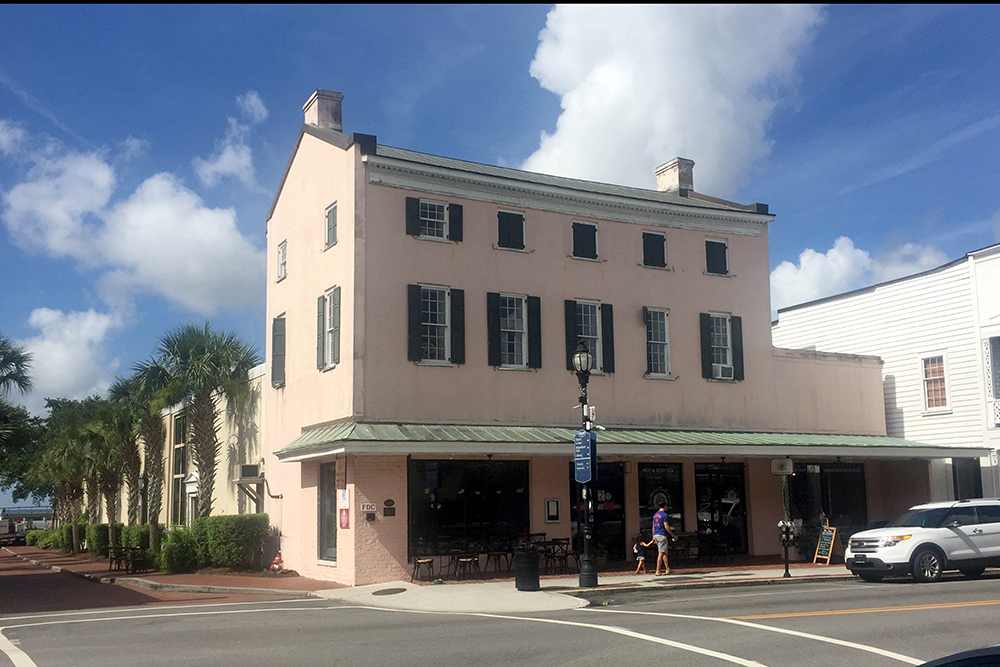
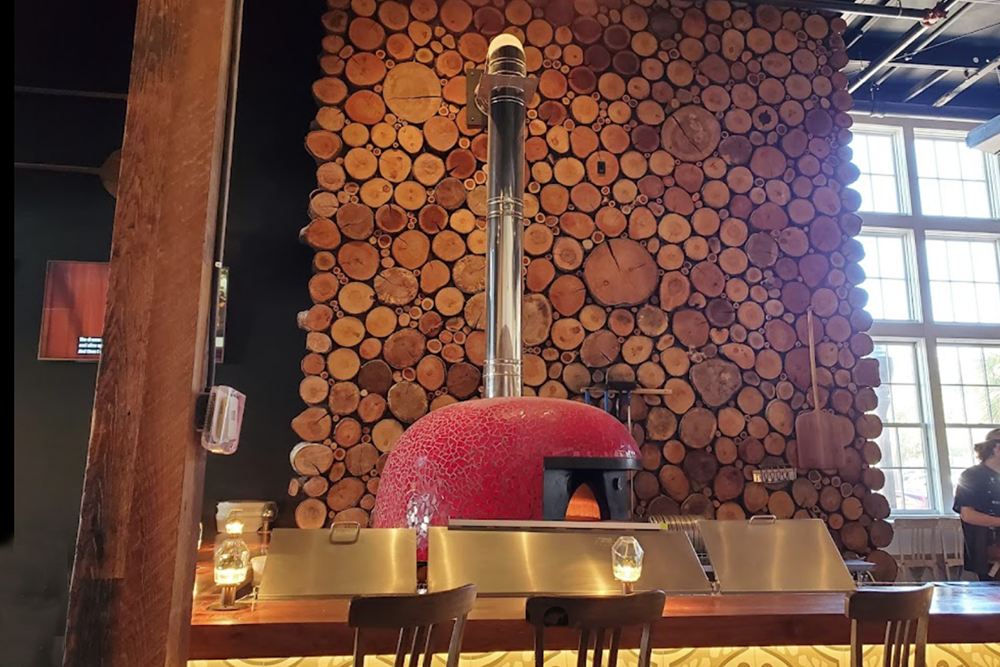
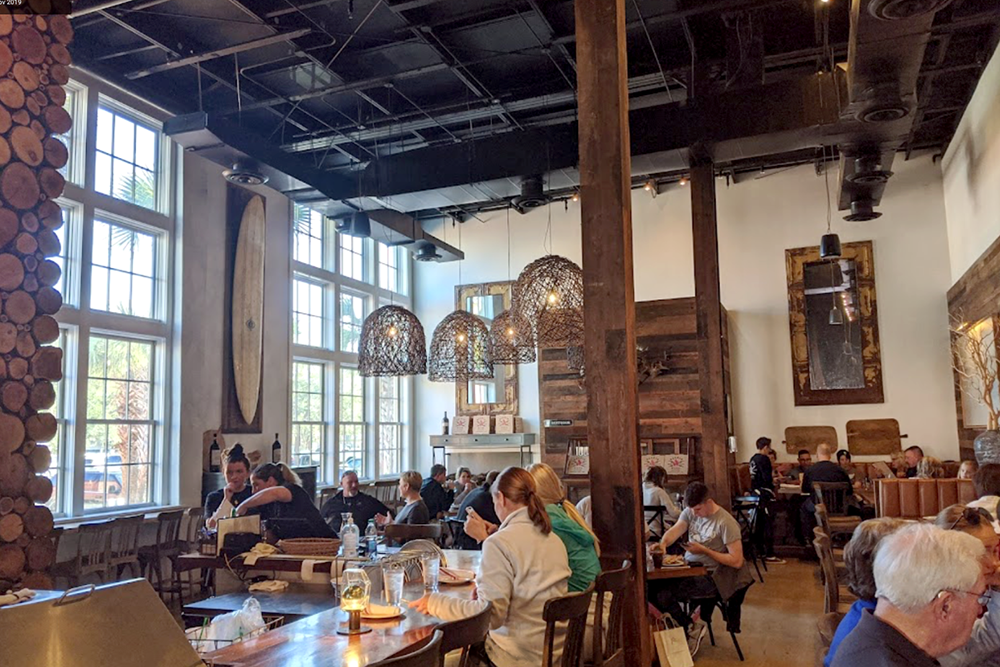
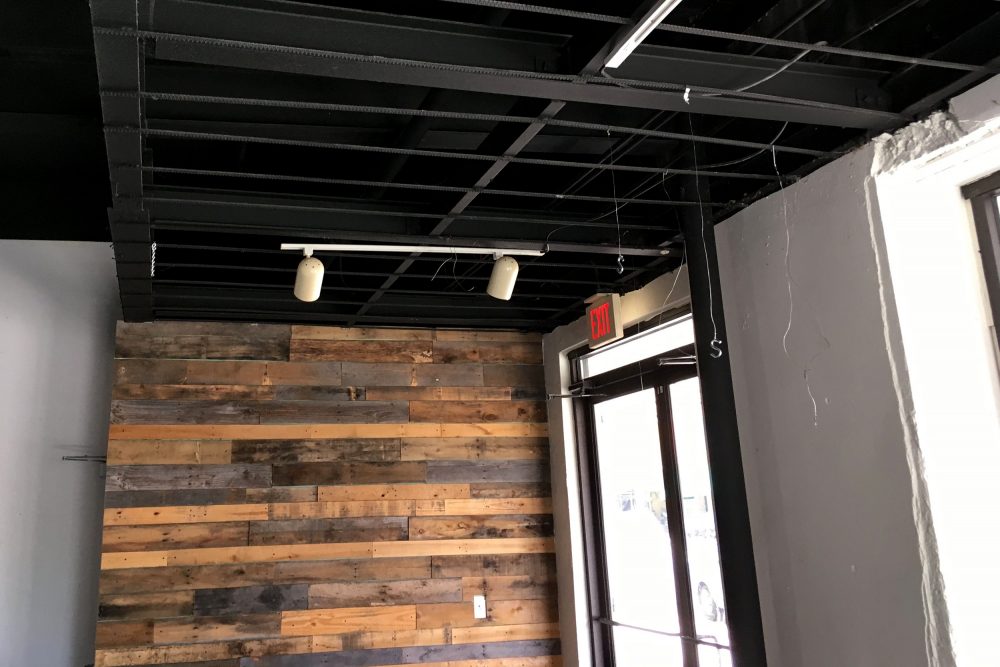
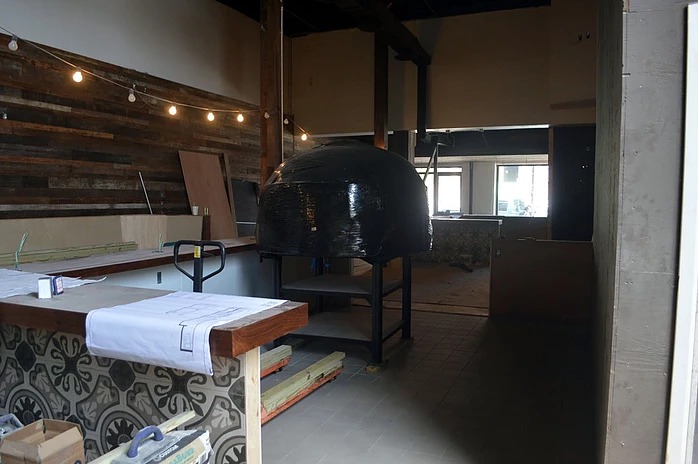
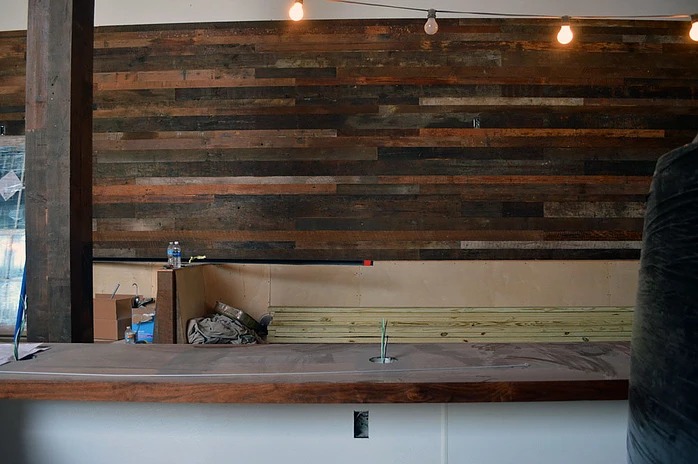
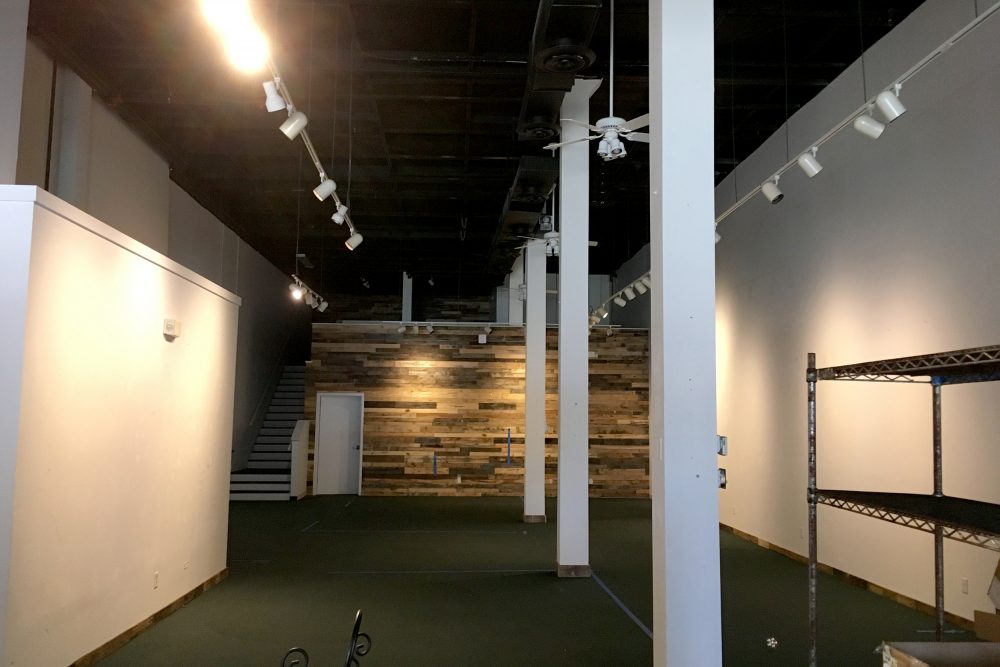
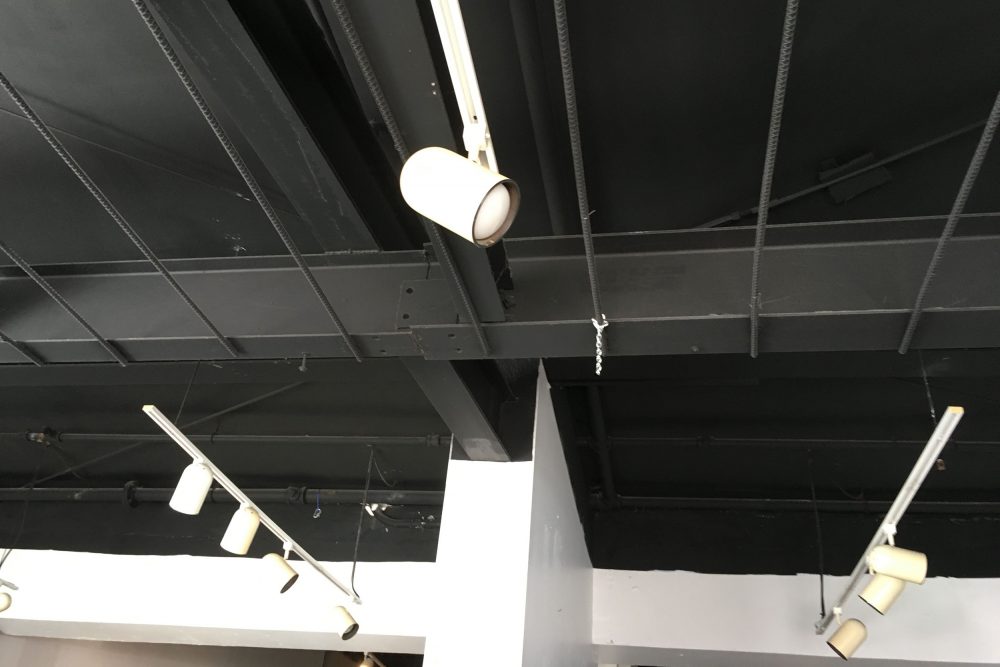
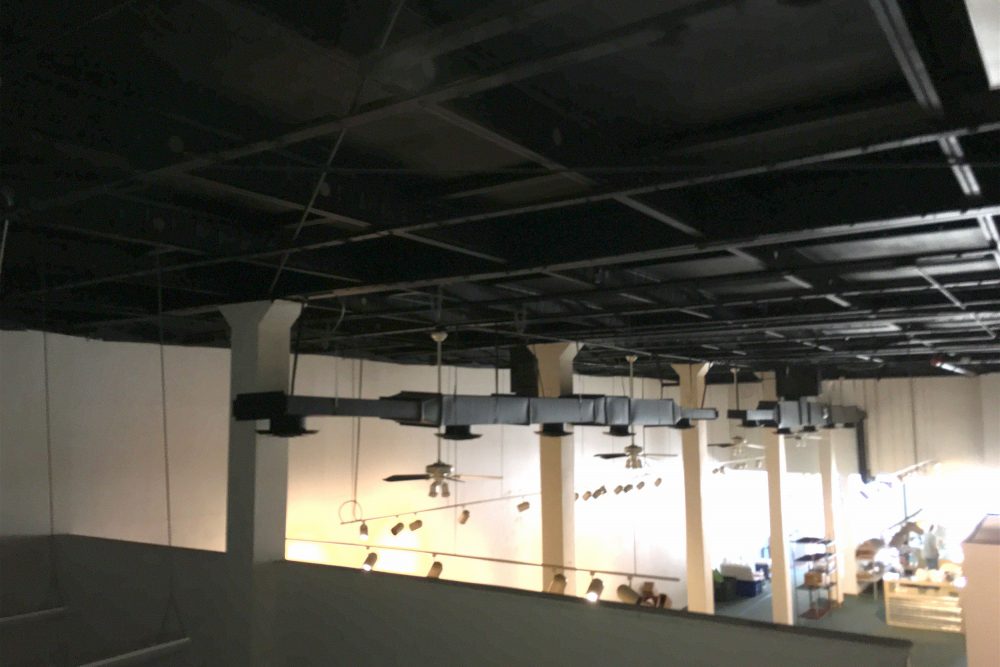
Hearth of Saltus is an adaptive-reuse and renovation project converting a commercial building in historic downtown Beaufort into an inviting restaurant. The intervention was deliberately lightweight in terms of structural change but high-impact in terms of spatial and experiential transformation. The design strategy emphasized revealing and celebrating the building’s existing structure while inserting contemporary architectural elements—most notably a large glazed view—that dramatically brighten the interior, enhance street presence, and create an immediate sense of arrival for diners.
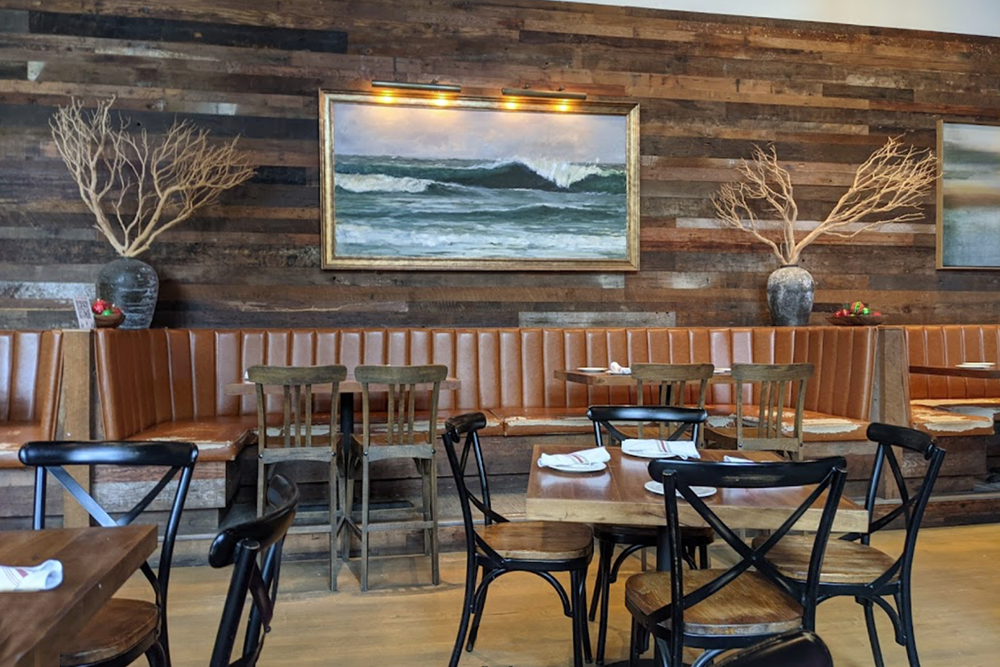
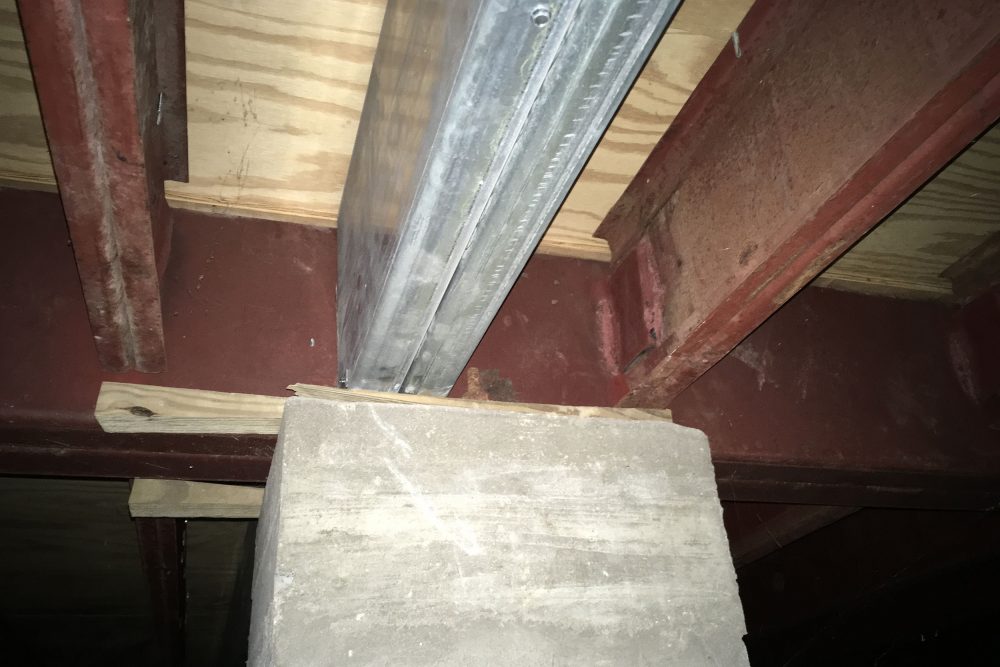
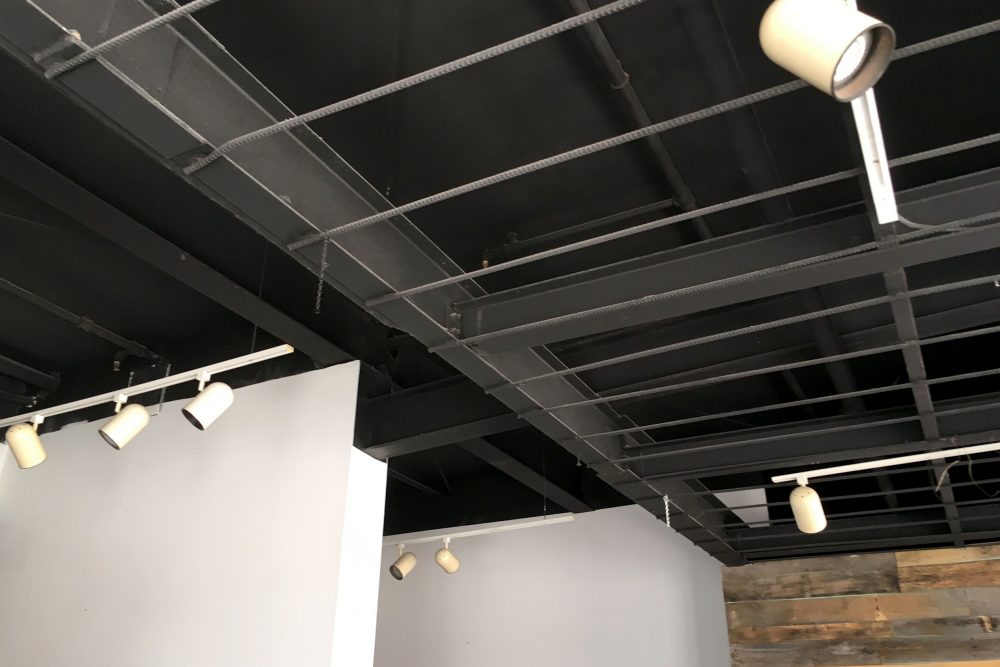
Working collaboratively with the architect, the team exposed and assessed the existing structural members and devised a restrained approach that used the building’s original framework as an asset rather than an obstacle. Selective stabilization and minimal reinforcement allowed the existing structure to support the new program. The most visually transformative move was the insertion of a large glazed opening that opened the restaurant to the street, bringing daylight deep into the dining area and creating a visual connection between interior activity and the public realm. Kitchen and service systems were carefully routed and integrated into secondary zones so that mechanical, exhaust and utility needs remained functional but unobtrusive. Finishes and lighting were chosen to emphasize the warmth of the revealed structure while supporting a comfortable dining environment.
The project improved natural light penetration and visual permeability by installing a prominent glazed view that both brightened the interior and increased curb appeal. Structural repairs and targeted reinforcement preserved and celebrated original members while ensuring the building met current load and safety expectations for a restaurant. Service areas, including the kitchen exhaust and utility runs, were reorganized for efficient workflow and to minimize visual clutter. Interior finishes and lighting were selected to complement the exposed structure, enhancing the dining experience while remaining durable for commercial use.
Hearth of Saltus emerged as a lively, well-lit restaurant that reads as both rooted in Beaufort’s historic fabric and refreshed for contemporary use. The large glazed opening significantly increased street presence and invited pedestrian interest, improving walk-in visibility and creating an attractive storefront for diners. By making strategic, minimally invasive structural interventions, the team preserved the building’s character while delivering a restaurant-ready interior that meets code and operational needs. The project demonstrates how modest structural work, paired with decisive design moves, can produce outsized benefits for a small historic building and its neighborhood.
A tactful adaptive-reuse project in downtown Beaufort that converted a commercial space into Hearth of Saltus, a restaurant distinguished by exposed historic structure and a dramatic glazed view to the street. Minimal structural reinforcement allowed the original fabric to remain the visual star while carefully integrated mechanical, kitchen and service systems created a fully functional hospitality venue. The result is a bright, inviting restaurant that strengthens the streetscape and gives new life to a historic building.