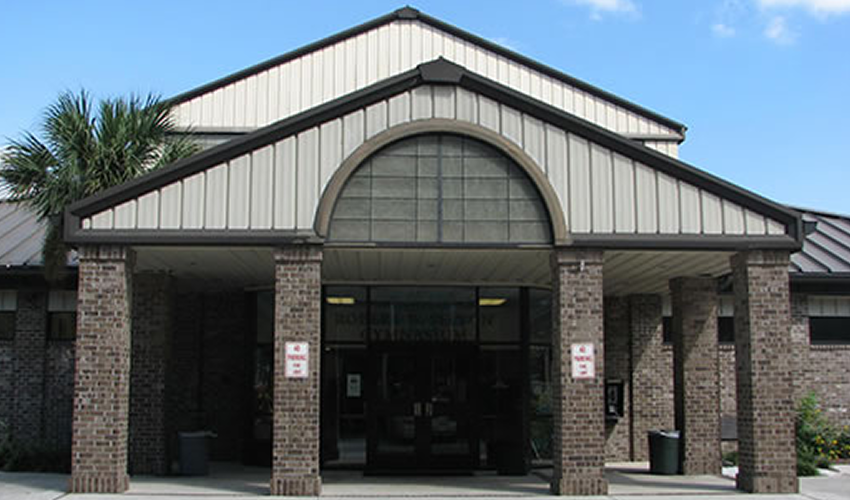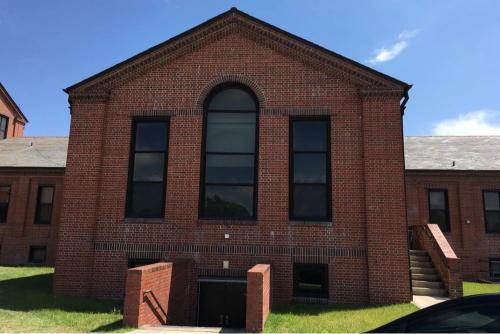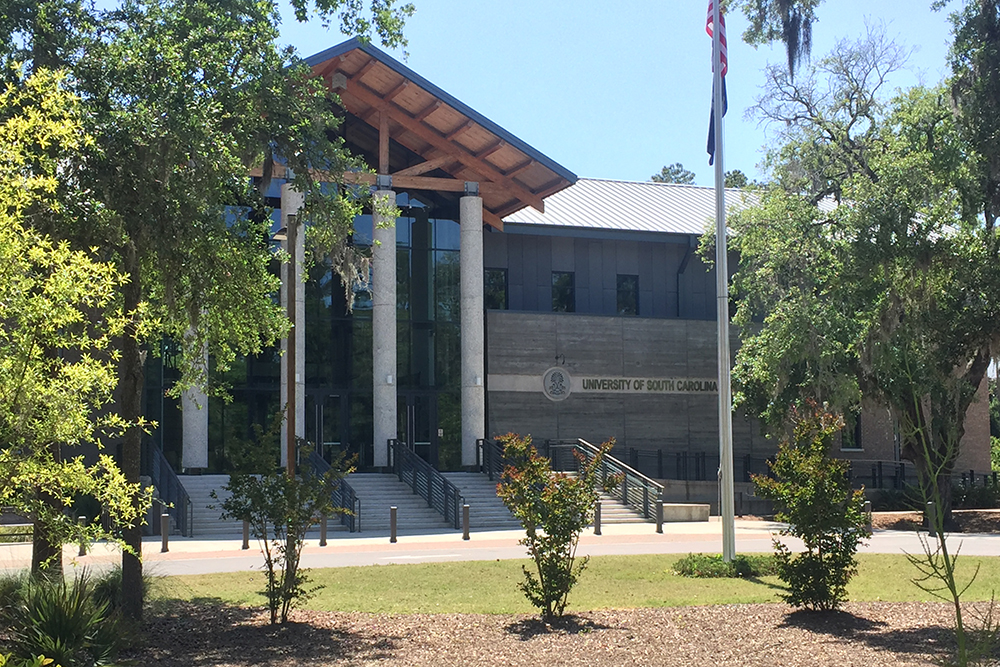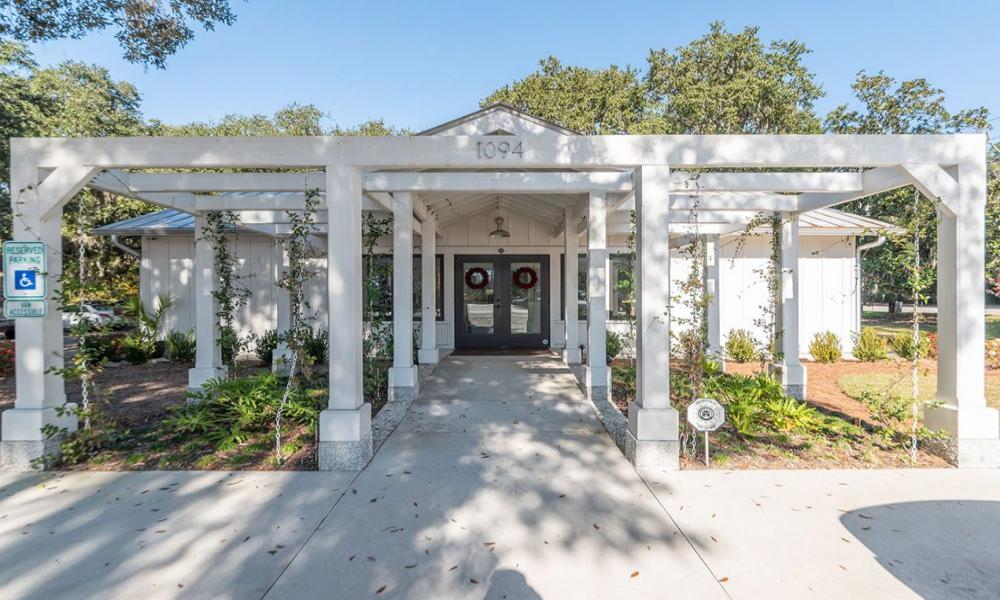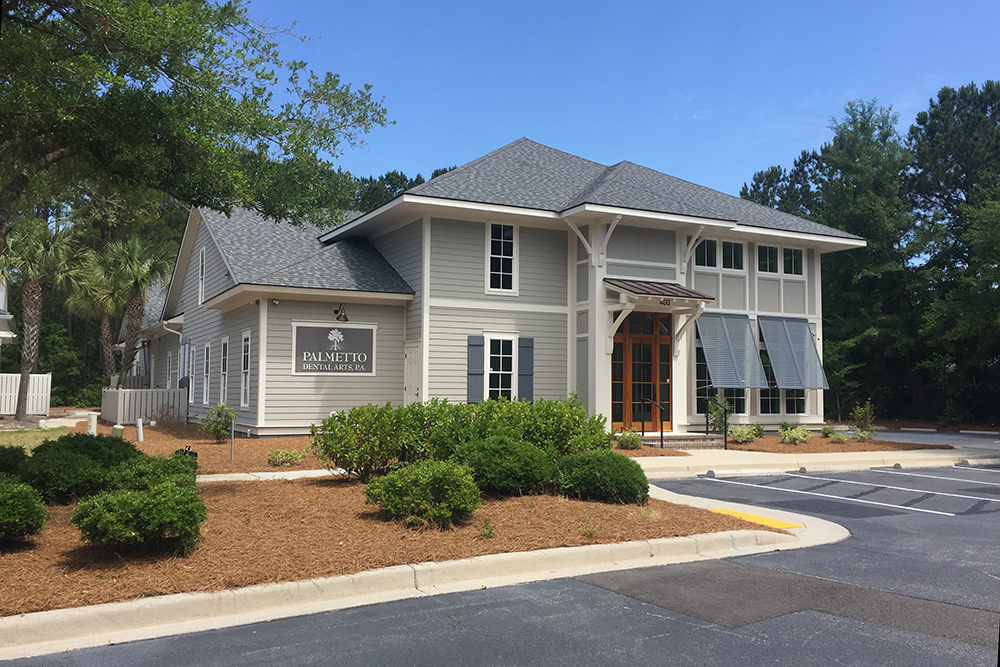
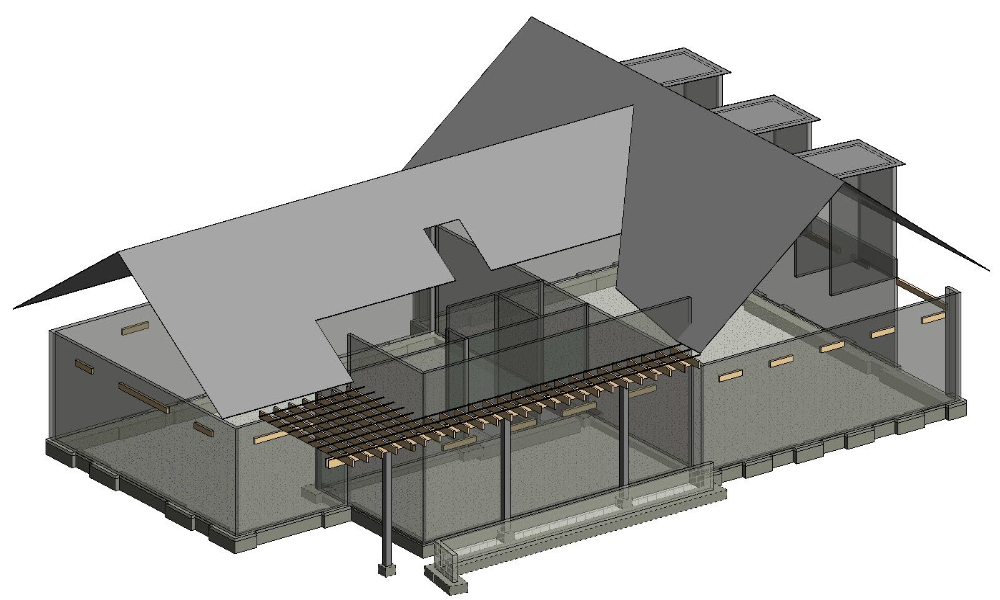
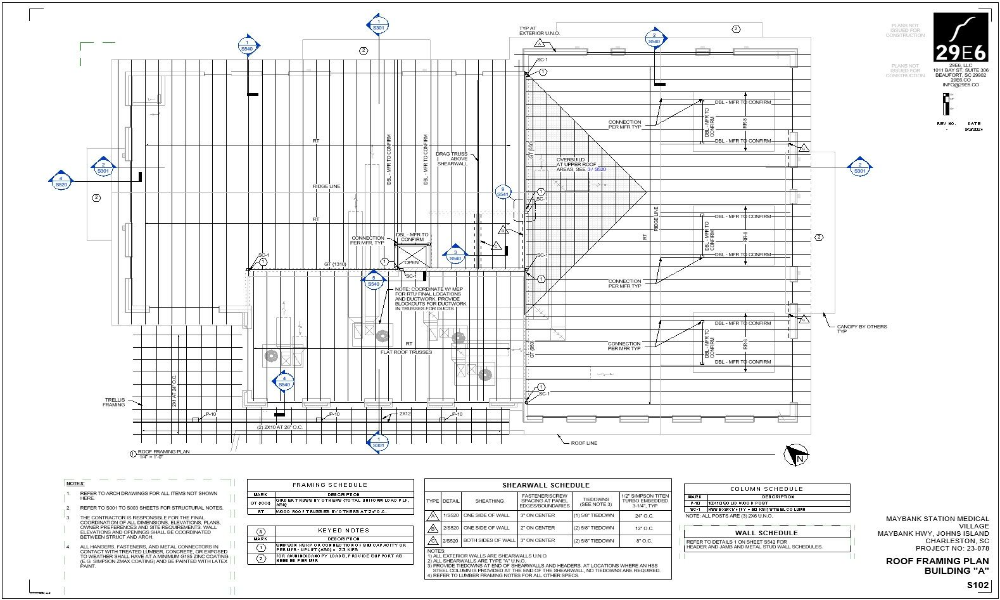
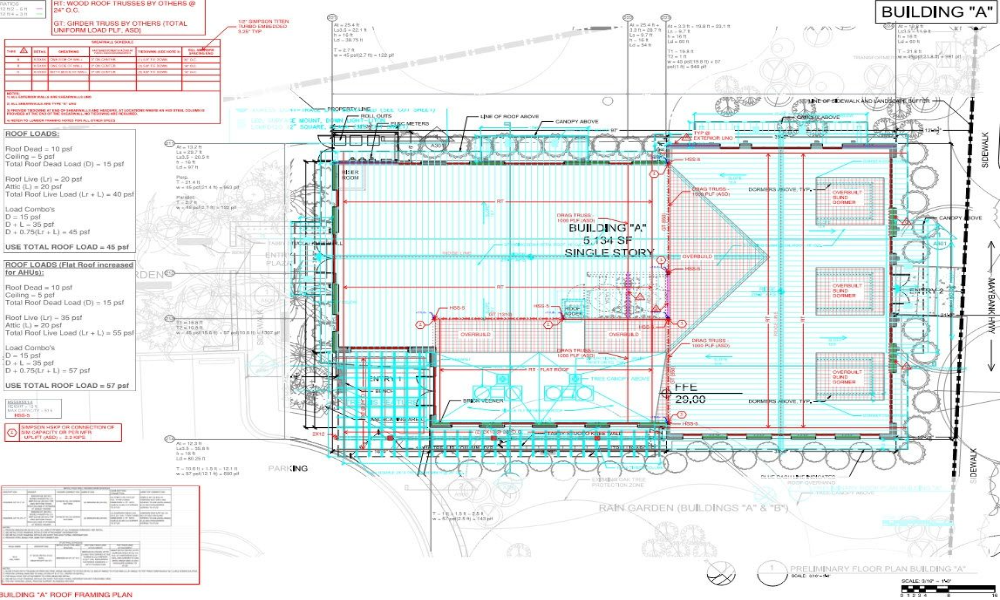
This project involves the new construction of Medical Office, Building “A,” located on Johns Island, South Carolina. The structure is a specialized hybrid design tailored to meet specific fire district codes while remaining cost-effective. It features load-bearing light gauge metal walls—required for non-combustibility—paired with wood roof trusses and plywood sheathing, a permitted combination that optimizes the building’s efficiency without compromising safety.
The client, working with LFK Architects and Harbor Contracting, needed a medical facility that could withstand the severe environmental realities of the South Carolina coast while adhering to a strict budget in a landscape of rising post-COVID costs. They required a design process that was transparent, collaborative, and capable of addressing complex site conditions from day one.
The project is situated in a high-hazard region defined by a convergence of difficult constraints. The site demands resistance to both high wind loads from hurricanes and high seismic activity. Complicating matters further is the potential for soil liquefaction, requiring a sophisticated approach to foundation and lateral design. All of this had to be achieved while navigating the specific material restrictions of the local fire district.
To handle the lateral forces from wind and earthquakes, the engineering team, led by T. Durtchi and Andy Richardson, utilized plywood shear walls as the primary lateral system. This efficient solution works in tandem with the light gauge framing. The design was rigorously checked using Simpson Strong-Tie software for the steel components and ENERCALC for specialized elements. The real key to solving the complex challenges, however, was the “Key Sheet Method”—a proprietary 29E6 innovation. This color-coded system streamlined the entire calculation process and facilitated deep collaboration during the conceptual phase, ensuring every risk was accounted for.
This project exemplifies process efficiency. By using the Key Sheet Method, the team didn’t just validate the design; they used it as a communication tool to run frequent charrettes with the architect and contractor. This proactive collaboration ensured that issues like liquefaction and cost overruns were addressed “head-on” before construction began. Additionally, the coordination with Taylor Motley, PE, for the light gauge shop drawings ensured a seamless transition from design to fabrication.
With construction set to begin, the project stands as a fully coordinated, resilient design ready for the field. The Revit drawings, produced by Daniela Digori, provide a precise roadmap for the build. The successful integration of non-combustible walls with wood framing demonstrates a smart, code-compliant path forward for medical facilities in high-hazard fire districts.
The Johns Island Medical Office “A” overcomes high seismic, wind, and liquefaction risks through a smart hybrid design of light gauge walls and plywood shear walls. By leveraging the proprietary “Key Sheet Method” for streamlined collaboration with LFK Architects and Harbor Contracting, the team delivered a cost-efficient, resilient structure ready for construction.